How to Create a Rustic Aesthetic with Flooring in Australia
Understanding Rustic Aesthetics
Core Elements of Rustic Style
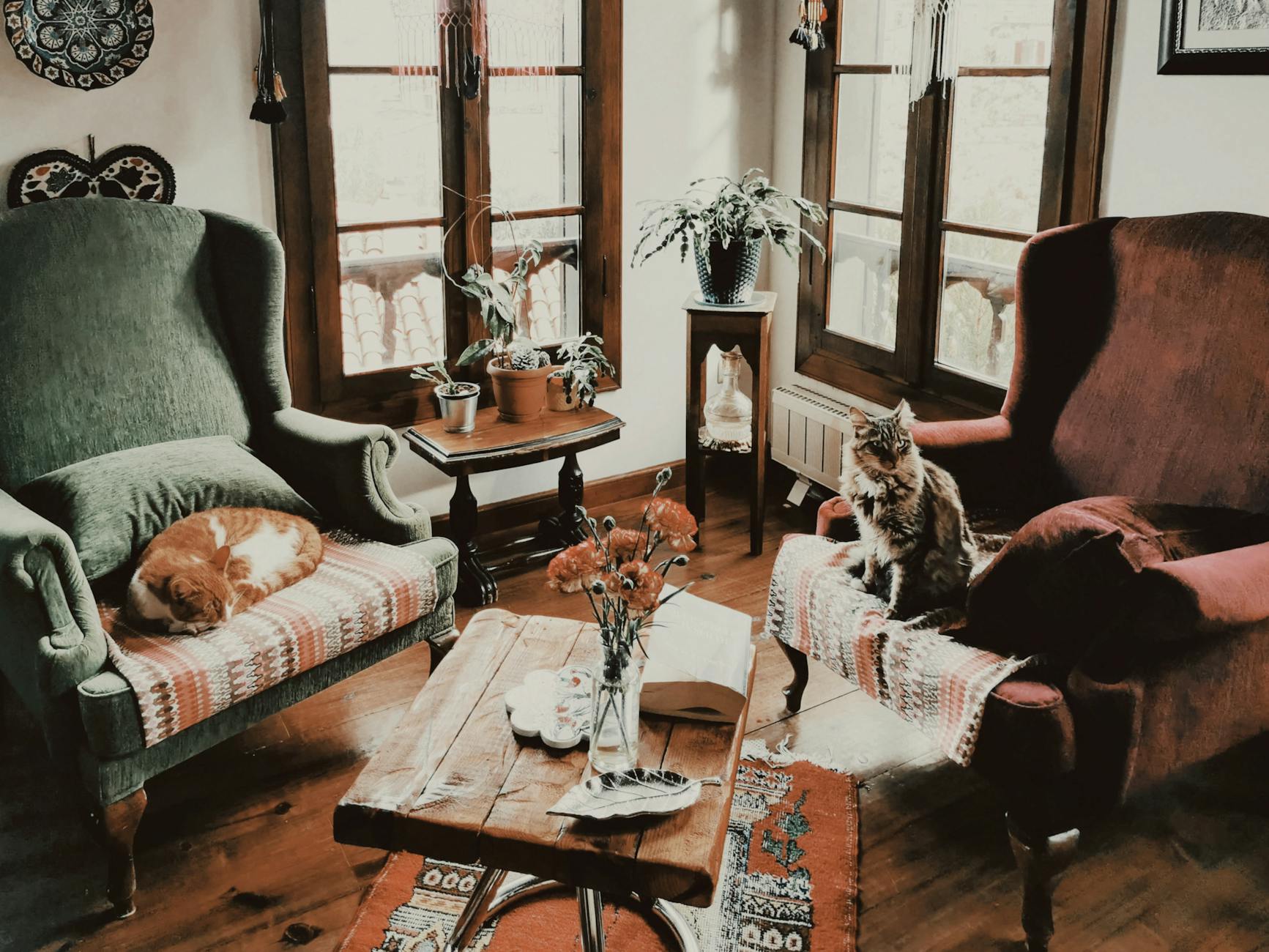
Picture yourself walking along the stunning Byron Bay beaches and noticing the raw beauty of nature—this is what rustic aesthetics encapsulate. In home design, the rustic style is all about embracing natural elements, creating a welcoming and cozy atmosphere. Key features include weathered wood, stone accents, and earthy hues, each chosen to mirror the beauty of the landscape. This design choice prioritises warmth and texture over stark modernity, inviting those adventurous at heart to create spaces as inviting as a laid-back beachside chat.
Benefits of Rustic Design
For those like me who revel in the outdoors, rustic design brings a touch of nature indoors without the need to leave home. This style offers warmth and timelessness, often featuring robust materials such as timber flooring. It's a great choice for young, adventurous renovators who are drawn to the challenges of combining aesthetics with practicality. Plus, the cosy vibe it exudes promotes a sense of homeliness and relaxation.
Common Materials Used
Rustic design thrives on natural textures and sturdy materials. Timber, stone, and metals take centre stage, reflecting the natural world and infusing spaces with organic beauty. Opt for floating hardwood flooring for its ease of installation and natural appeal. These materials not only speak to durability but also resonate with those who understand the significance of quality and timelessness, just like the unwavering presence of the Cape Byron Lighthouse.
Types of Rustic Flooring
Timber: The Classic Choice
Choosing timber flooring gives a rustic elegance that resonates with the natural beauty of Byron Bay's stunning beaches. Timber is both durable and timeless, offering a rich texture that complements a laid-back lifestyle. Its versatility makes it suitable for various spaces, and its classic look adds warmth and charm that other materials might lack. With proper maintenance, timber flooring can withstand the test of time while elevating the aesthetic of any room.
Laminate for Rustic Appeal
Opting for laminate flooring can mimic the natural look of timber with added benefits. This flooring type is cost-effective and easier to install. It's a reliable choice for young adventurers like Jack Brewster, who are always on the go and need something resilient for their homes. The Arts & Industry Estate in Byron Bay reflects this creativity and practicality, offering endless design possibilities for laminate flooring options.
Stone and Tile Options
Stone and tile add a rugged, earthy feel to your home, reminiscent of the raw, natural beauty near the Cape Byron Lighthouse area. Incorporating them into your home design can be a nod to the rich, rugged textures found in nature. This choice is especially great for high-traffic areas due to its extreme durability and low maintenance requirements. Adding a layer of wool carpet in specific areas can soften the overall look while maintaining the rustic appeal.
Enhancing Rustic Appeal
Color and Finish Selection
Selecting the right colours and finishes can bring rustic design elements to life within your home. Imagine the warm, earthy tones of a Byron Bay sunset, and you have the palette that perfectly captures this style. Opt for muted, natural shades like deep browns, soft greys, and warm beiges. These hues work brilliantly with laminate flooring, offering both aesthetic appeal and practicality. For finishes, aim for matte or distressed options that exude a lived-in yet stylish vibe, creating a sense of comfort akin to the feeling of sand between your toes at the beach.
Texture and Patterns
Embracing texture is fundamental in achieving a rustic aesthetic. When choosing materials, consider those that mimic natural elements. Textured surfaces on flooring and walls echo the rugged beauty found around the Cape Byron Lighthouse, providing a tactile experience that enhances the overall rustic charm. Patterns such as wide planks, herringbone, or chevron add visual interest and a hint of sophistication. Mixing these patterns can yield a balanced look that feels both engaging and harmonious, like the scenic views found at Byron Bay's beaches.
Complementary Decor Ideas
Integrating complementary decor can tie your rustic theme together seamlessly. Think of natural materials such as rattan, leather, and weathered woods that resonate with the Arts & Industry Estate's vibrant authenticity. Incorporate fabrics like wool and linen for a cosy atmosphere, while metal accents or simple handcrafted pieces add character. Together, these elements evoke the serene yet lively spirit of a coastal retreat, making your home a sanctuary of rustic elegance.
Practical Installation Tips
Preparing the Subfloor
When it comes to getting your space ready for the installation of hybrid flooring, the importance of proper subfloor preparation can't be overstated. As someone who's spent countless hours under the sun at the stunning Byron Bay beaches, guiding adventurers in home renovation, I can't stress enough the necessity of starting with a flat and stable surface. Begin by thoroughly cleaning the area, removing any debris, and ensuring the floor is dry. If you're looking to level things out, consider using a self-levelling compound; it'll save you time and headaches in the long run.
Best Practices for Installation
Having walked many a mile in the vibrant Arts & Industry Estate, I find that taking the time to plan ahead, measure twice, and cut once truly makes all the difference. When you're in the thick of the installation, use spacers to achieve uniform gaps between planks. This hack not only enhances the aesthetic but also allows for any natural expansion. Remember, patience pays off, and leaving a gap around the room's perimeter allows for any expansion, preventing future issues.
Maintenance and Care
After a hard day's work, akin to a trek up to the Cape Byron Lighthouse, maintaining your newly laid flooring should feel straightforward. Regular sweeping or vacuuming can prevent debris that leads to scratches. A damp mop here and there is perfect for maintaining that pristine finish. Avoid harsh chemicals or overly wet mops; they can dampen the flooring spirit you worked so hard to create. With these insights, your flooring will be ready to weather years of sandy feet and spontaneous dance parties.
Avoiding Common Pitfalls in Rustic Flooring
Consistency is Key
When you're standing on the golden sands of Byron Bay and dreaming about that warm, inviting home vibe, keep consistency front of mind. It's all too easy to get swept up in the allure of building a home gym with rustic charm, but maintaining a cohesive design is essential. Imagine your space each having a mismatched style – it’s like wearing a wetsuit to a bushwalk! Stick to a harmonised palette and materials that echo the earthy tones of the hinterland to truly capture that rustic feel.
Stay Sturdy, My Friends
Ignoring the durability of materials is akin to skimping on sunscreen on a hot day at Belongil Beach. Just as those waves can be relentless, daily life is demanding on your floors. Opt for robust materials like solid timber or high-quality laminate that can withstand the footsteps of bustling household gatherings or the weight of high end A/V equipment. Strong yet stylish options will ensure that your floors tell your story year after year without losing their charm.
Don't Shortchange the Installation Process
Never underestimate the complexity of installing rustic floors. Perfectly laying down those timber planks can be as intricate as navigating the path to the Cape Byron Lighthouse. It requires attention to detail and precise execution to avoid costly mistakes and future headaches. Invest in professional installation services to ensure those natural textures fit seamlessly. As you step back and admire your handiwork, relish the peace of knowing it was a job done right.